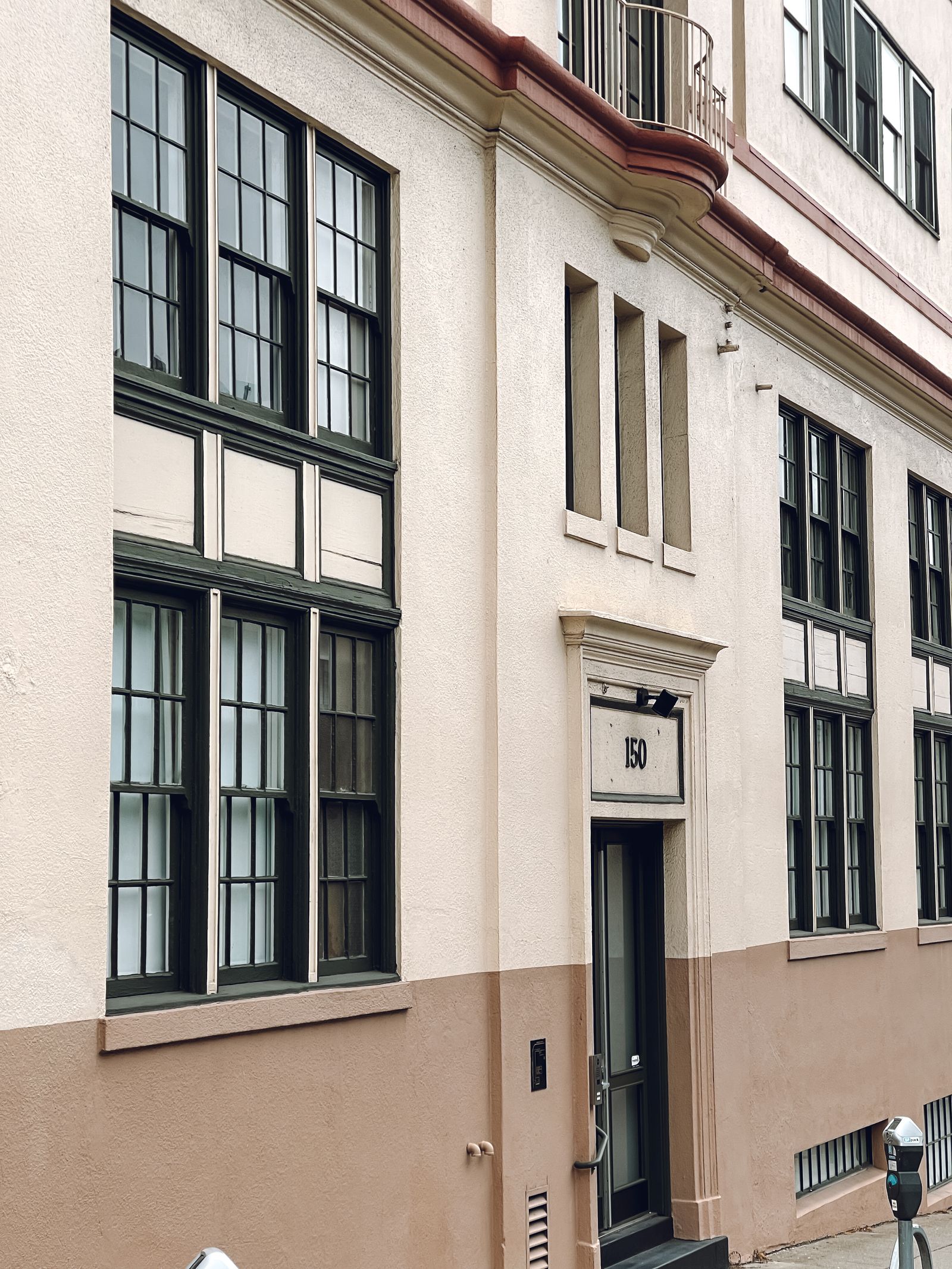
The Practical Difference Between Soft Washing and Pressure Washing
Soft washing generally relies on a compatible cleaning solution, controlled application, dwell time, and a lower-pressure rinse to loosen and treat selected soils. The cleaning action comes from the complete process, not from impact force alone. On commercial facades, that approach can be useful for organic growth and general environmental film on compatible painted masonry, stucco, EIFS, brick, precast, metal, trim, and other finishes. The exact product, concentration, contact time, temperature, and rinse must follow labels, material guidance, test results, and site conditions. Calling a process soft does not make every chemical safe for every coating.
Pressure washing uses pressurized water as a larger part of the cleaning action. Pressure at the surface depends on equipment, nozzle, flow, spray angle, distance, and operator movement, not merely the machine's rated number. Controlled pressure can be appropriate for selected durable concrete, pavement, loading-area surfaces, and some robust building materials. The same setup can damage soft mortar, drive water into joints, scar coatings, mark wood, disturb sealants, or leave uneven patterns when used without a surface-specific plan. Stronger is not the same as cleaner when the substrate cannot tolerate the force.
- Soft washing emphasizes compatible chemistry, dwell time, and a lower-pressure rinse.
- Pressure washing uses water force more directly and belongs on suitable durable surfaces.
- Test areas help evaluate cleaning response, coating stability, and finish change.
- Hybrid scopes can assign a different method to each material and service zone.
Identify the Atlanta Stain Before Selecting the Method
Atlanta facades can collect several conditions that look similar from a parking lot. Spring pollen may leave yellow film on dark panels, glass, canopies, ledges, and entrance surfaces. Shaded, damp walls can develop green or dark organic discoloration. Busy road corridors can contribute atmospheric and traffic-related soil. Irrigation can leave mineral patterns. Metal components may produce rust-colored runoff, while painted panels can chalk or oxidize. Masonry can show efflorescence, and failing sealants or drainage details can create streaks that return after cleaning. Each condition responds differently.
Moisture patterns also deserve attention. UGA Cooperative Extension explains the relationship between moisture and mold growth, while its pollen resources document Georgia's pronounced seasonal pollen cycle. Exterior cleaning can improve compatible visible staining, yet it cannot correct the building or site condition that feeds recurrence. A downspout that discharges across a wall, irrigation striking the facade, a leaking joint, chronic shade, or failed coating should be documented for the property team. Cleaning and repair are different decisions, and a trustworthy proposal keeps them separate.
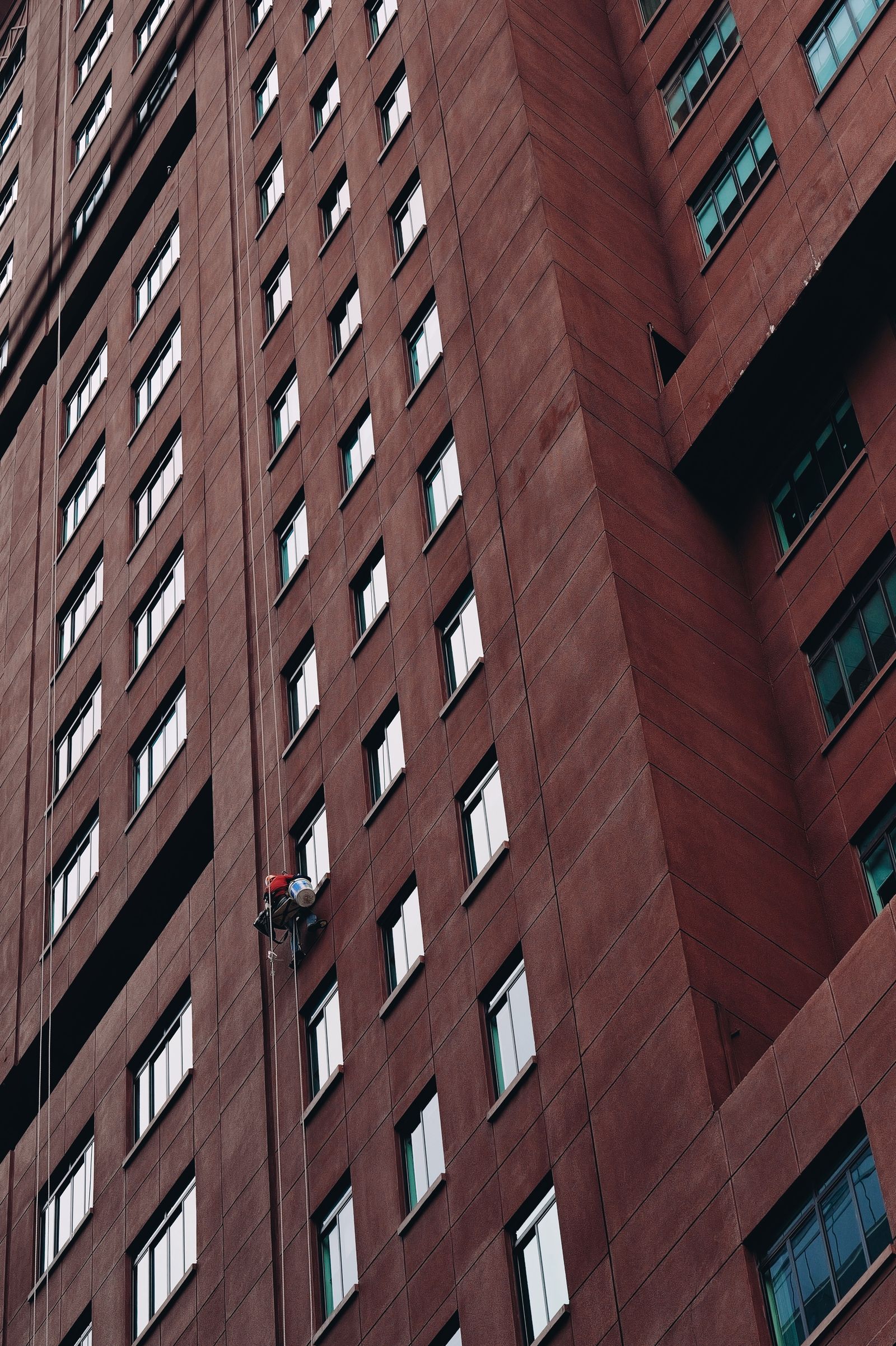
Match the Process to Common Atlanta Commercial Materials
Atlanta's commercial inventory spans older brick and masonry, painted concrete, precast panels, stucco and EIFS, modern curtain wall, metal panels, stone accents, parking structures, and mixed-material renovations. Older storefronts in Sweet Auburn, West End, Little Five Points, and other neighborhood business districts may combine historic or repaired masonry with modern signs, windows, awnings, and utility penetrations. Downtown and Midtown towers can layer glass, precast, metal, sealants, setbacks, and roofline details. Buckhead hospitality and office properties may add elaborate arrival structures and landscaped facades. These place names describe operating contexts, not automatic cleaning prescriptions.
Concrete is not one category. Sound pavement, a precast facade, decorative cast elements, and an aging parking deck can have different tolerances, sealers, repairs, and exposure. A pressure process suitable for a durable sidewalk may be wrong for a coated vertical panel. Before broad cleaning, a representative test area should be evaluated after drying. The test can show whether the stain improves, whether the surface changes, whether rinse marks remain, and whether adjacent materials require protection. It cannot certify hidden envelope condition, so visible cracks, loose finishes, or suspected leakage should be referred for qualified review.
Compare the Desired Finish, Not Just the Equipment
A property manager should describe the result in observable terms. Is the objective to reduce green staining on a north elevation, remove pollen film from canopy tops, refresh a hotel entrance, rinse loose soil from upper glass, clean durable pavement, or restore heavily mineralized windows? Those are different purchases. A maintenance wash may substantially improve overall presentation without correcting permanent discoloration, oxidation, coating loss, etching, or previous damage. Restoration can require tests, stronger specialty products, agitation, repeated treatment, or contact access that is outside a routine wash.
Glass is where vague language creates the most disappointment. A drone or spray system can support wetting and rinsing, especially for loose exterior film on compatible upper windows. It cannot push a squeegee across the glass, scrape adhesive, remove every mineral deposit, or detail corners and frames by touch. If leasing, hospitality, or executive-office standards require contact-cleaned glass, that finish belongs in the request for quote. The building may still use drone-assisted rinsing on other facade areas, but the glass result should not be implied by photographs of equipment in flight.
Include Water, Landscaping, Occupants, and Atlanta Drainage
The method affects more than the wall. Solution and rinse water can contact windows, doors, plants, decorative metals, vehicles, sidewalks, loading areas, outdoor seating, and drains. A commercial plan should identify water access, surface slope, nearby inlets, roof discharge, landscaped areas, public paths, and where liquid is expected to travel. Application volume and pressure should be limited to what the cleaning objective requires. Pre-clean dry removal, smaller work zones, directional application, inlet protection, collection equipment, and an approved disposal approach may be part of the plan depending on the activity.
Georgia's Environmental Protection Division links the Georgia Stormwater Management Manual as a statewide nonpoint-source resource. Its pollution-prevention guidance addresses pressure washing and surface-cleaning wash water. Atlanta's Department of Watershed Management also operates an illicit-discharge program, and City code identifies wash water entering the storm-drain system within its illicit-discharge framework. These sources are reasons to investigate the specific site's drainage and current requirements, not a basis for claiming one disposal method is approved everywhere. Drain destination, property jurisdiction, products, soils, and resulting wastewater all matter.
Understand Where Drone-Assisted Soft Washing Fits
Drone-assisted soft washing can be a useful delivery method for compatible upper walls, ledges, parapets, trim, and selected window bands. The aircraft can position an application or rinse stream where ground tools may have limited reach, while the ground team manages the water system, hose, work-zone controls, and communication. On the right elevation, this may reduce lift staging for portions of a maintenance wash. It does not eliminate site preparation, water planning, weather limits, or the need to protect people and property below.
Suitability depends on clear stand-off space, wind, launch and recovery room, hose behavior, visual line of sight, building geometry, trees, wires, signs, antennas, balconies, nearby traffic, and the type of finish required. Dense sections of Atlanta may present controlled airspace or ground conditions that need additional planning. FAA guidance for commercial operators explains Part 107 requirements, including certification and operating rules, and notes airspace and operations-over-people considerations. A building owner's permission is necessary for property coordination but does not by itself authorize a flight that conflicts with aviation rules.
Drone delivery is a poor fit where a surface needs brushing, scraping, polishing, squeegee work, close tactile inspection, or repair. Deep recesses, covered walkways, tight courtyards, heavy tree cover, and active public areas can also favor a lift, pole, hand method, or rescheduled closure. We may recommend a hybrid scope or a fully ground-based method after review. The value is not forcing a drone onto the job; it is using the least disruptive suitable access plan that can produce the defined cleaning result.
How to Compare Atlanta Commercial Exterior Cleaning Quotes
Start by giving each bidder the same building information: address, target elevations, approximate height, facade materials if known, photographs, staining concerns, water access, drainage information, operating hours, entrances, tenant restrictions, and desired finish. Ask the bidder to identify the proposed process for each surface rather than offering one price for power washing the building. A useful answer distinguishes soft washing, controlled pressure, rinsing, contact detail, restoration, and excluded repairs.
Ask how test areas will be selected, how windows and sensitive components will be protected, what weather conditions stop the work, how people and vehicles will be kept outside the active zone, and where wash water is expected to go. For drone-assisted work, ask which elevations are proposed for flight, which remain ground- or contact-access areas, and how airspace and operations around people will be reviewed. Do not accept a promise that a drone replaces every lift or that low pressure eliminates every surface risk.
- Require a surface-by-surface method and a defined expected finish.
- Separate maintenance cleaning from glass detailing, stain restoration, and repairs.
- Review water, drainage, weather, access, tenant, and flight controls before mobilization.
- Ask for completed-zone photos, exclusions, and follow-up notes at closeout.
Get a Method Recommendation and Quote for Your Atlanta Property
Choose soft washing when compatible chemistry and lower-pressure rinsing fit the substrate and stain. Choose controlled pressure where a durable surface and soil call for water force. Use contact cleaning or specialty restoration when the desired result requires touch, agitation, scraping, polishing, repair, or a process beyond routine washing. Most importantly, make those decisions by service zone. A mixed-material Atlanta commercial property rarely benefits from one method applied without distinction from pavement to parapet.
Drone Building Cleaners can review hotels, offices, retail centers, mixed-use properties, medical buildings, campuses, parking structures, warehouses, and other commercial exteriors. Our potential scope includes compatible facade washing, upper-level wetting and rinsing, canopies, ledges, roofline details, parapets, sign bands, and recurring exterior maintenance. We document where a drone can help, where another access method is more suitable, and which visible conditions appear to be restoration or repair rather than cleaning.
For a quote, send the Atlanta-area property address and current photos through the contact form, call +1 239-351-2897, or email contact@dronebuildingcleaners.com. Include the elevations that matter most, the result you expect, and any deadline tied to tenants, guests, leasing, events, inspections, or ownership visits. We will use that information to recommend the next review step and build a customer-facing scope with a hard distinction between what we can clean, what needs contact work, and what should be referred for specialist attention.