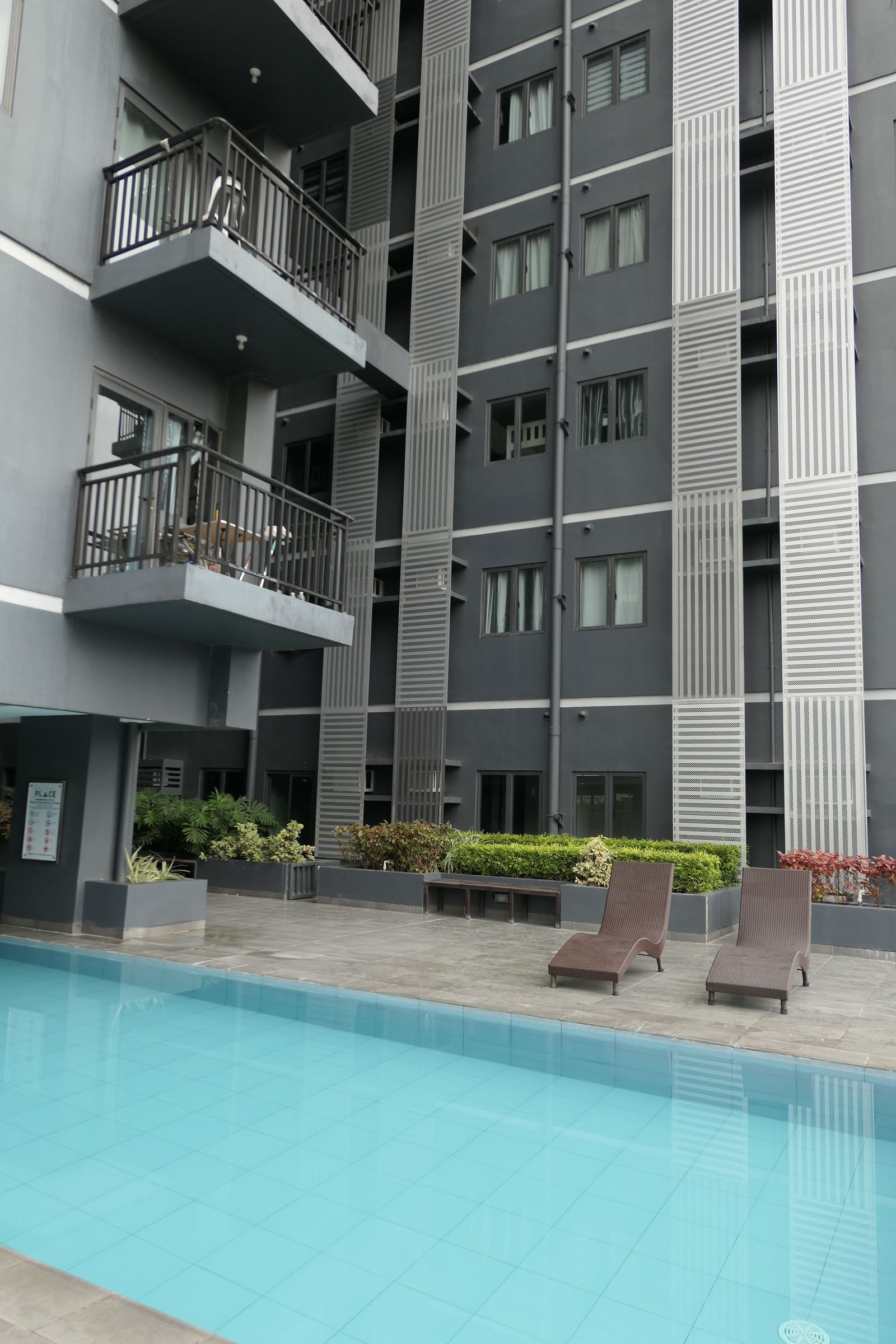
What We Clean on Atlanta Hotel Exteriors
The most useful hotel scope begins with visible service zones. Exterior walls may include brick, precast concrete, stucco, EIFS, painted masonry, metal panels, stone accents, glass, and multiple generations of repairs. We evaluate compatible surfaces for low-pressure washing, controlled chemistry, wetting, or rinsing based on condition and test results. Common targets include organic discoloration on shaded walls, pollen film, atmospheric soil, runoff streaks, traffic-related grime, bird residue, and accumulated dirt on horizontal ledges. A maintenance wash can improve many of these conditions, but oxidation, failed coatings, rust, efflorescence, mineral deposits, etched glass, deteriorated sealants, and embedded stains may require a specialist or a separate restoration scope.
Upper glass is scoped honestly. Drone-assisted equipment can support wetting and rinsing when the glass, frames, water quality, wind, and stand-off distance are suitable. It cannot press a squeegee against the pane, scrape bonded debris, polish mineral deposits, or detail every frame. If the hotel expects a contact-cleaned finish, we state that requirement and recommend an appropriate contact method. That distinction gives the property a quote tied to a defined result instead of an impressive-looking process with an unclear finish.
- Facades, upper elevations, ledges, trim, and compatible wall systems
- Canopies, porte cocheres, columns, parapets, coping, and sign bands
- Upper glass wetting and rinsing with contact-cleaning limits stated
- Targeted one-time cleaning or a documented recurring maintenance plan
Plan Around Downtown, Midtown, and Buckhead Hotel Operations
Atlanta's major hotel environments do not operate on the same rhythm. Downtown properties near the Centennial Park convention and entertainment district can face concentrated pedestrian traffic, tour groups, event arrivals, rideshare activity, loading schedules, and meeting-room turnover. Midtown hotels may need to coordinate with office traffic, restaurants, residents, cultural venues, valet lanes, and narrow service areas. Buckhead properties can combine active porte cocheres, valet circulation, restaurants, weddings, conferences, landscaped arrival courts, and high expectations for entrance presentation. The Atlanta Convention and Visitors Bureau identifies Downtown, Midtown, and Buckhead as central hospitality areas, but the actual work window must come from each property's operations team.
We ask for the daily pattern before proposing a sequence. Breakfast service, checkout, housekeeping access, vendor deliveries, check-in, pool activity, evening events, and overnight quiet expectations can all affect exterior work. A full elevation does not have to be cleaned in one uninterrupted block. Phasing can preserve the primary entrance, keep an accessible route open, and move the controlled work zone as guest activity changes. On a conference or event hotel, the calendar matters as much as the facade; cleaning immediately before a high-occupancy date may be valuable, but only if weather and safe operating conditions leave enough contingency.
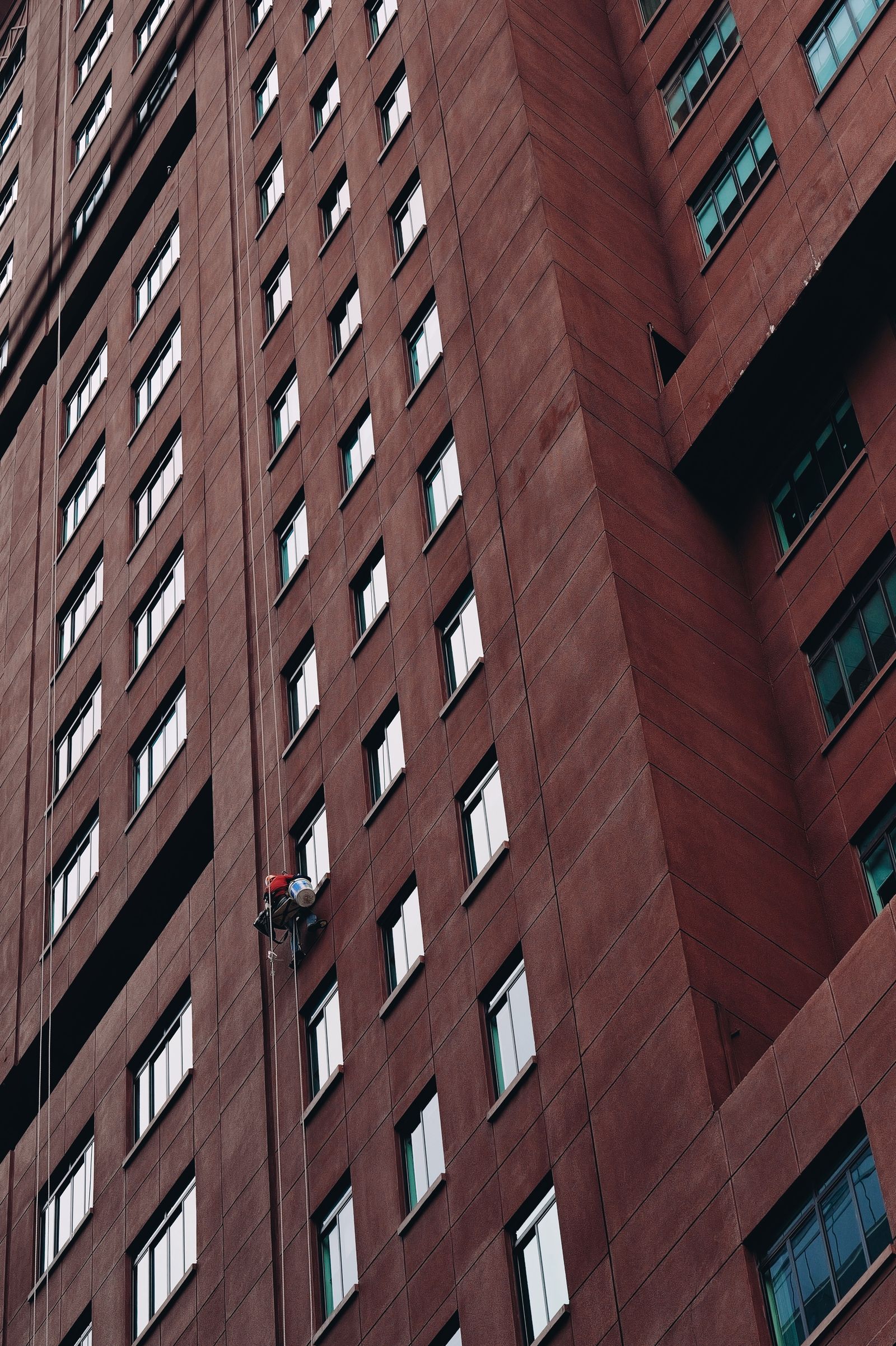
Account for Pollen, Humidity, Shade, and Atlanta Weather
Pollen is not merely a seasonal annoyance for hotel guests; it is a maintenance variable. Georgia's spring pollen season can leave yellow-green film on dark panels, glass, canopy tops, entrance furniture, ledges, and sheltered horizontal surfaces. A rinse performed before the heaviest pollen period may look short-lived, while a post-peak service can remove a more complete accumulation. That does not mean every hotel should wait for a fixed date. Tree species, surrounding landscaping, wind exposure, rainfall, and the property's event calendar all affect the practical timing. UGA Cooperative Extension describes Georgia pollen as peaking in spring and returning later for some plants, which supports planning a property-specific cycle rather than promising one annual visit will solve every exposure.
Warm weather, rainfall, humidity, tree cover, irrigation, and shaded elevations can also support recurring organic discoloration. North-facing walls, areas beneath roof discharge, recessed facade sections, and surfaces near dense vegetation may soil differently from sunny, open elevations. Cleaning treats compatible visible growth and staining; it does not repair a leaking joint, redirect a downspout, correct trapped moisture, or resolve a failed coating. If staining returns rapidly in the same pattern, the report should flag that condition so the hotel can consider whether a drainage, envelope, irrigation, or landscaping issue needs separate attention.
Use Drone-Assisted Cleaning Where the Property Supports It
A cleaning drone is an access and delivery tool, not the service by itself. On a suitable hotel, it may apply an appropriate solution and rinse selected upper facade zones while a trained ground team manages water, hose movement, pedestrian controls, equipment, and communication. This can reduce dependence on lift positioning for some portions of the project and can be especially useful where the desired result is compatible soft washing or rinsing rather than hand agitation. The quote still starts with the surface, stain, and finish, because a drone does not make incompatible chemistry safe or turn a maintenance wash into restoration.
The building must provide a workable flight environment. Balconies, deep setbacks, overhangs, trees, wires, rooftop equipment, antennas, signage, narrow courtyards, public streets, moving vehicles, and people below can limit or eliminate drone use. Downtown and Midtown properties may also sit in airspace that requires closer review. Federal Aviation Administration requirements for non-recreational small UAS operations include remote pilot certification, aircraft registration, operating rules, visual line of sight, airspace considerations, and restrictions associated with people and moving vehicles. Permission from a property does not replace those requirements.
When contact is necessary, we say so. Ground crews, water-fed poles, lifts, properly planned roof access, or other qualified providers may be better for entrance glass, detailed frames, stubborn deposits, recessed surfaces, or areas beyond an aircraft's practical reach. Some hotels will benefit from a hybrid plan: drone-assisted work for broad compatible upper areas, ground detailing at the arrival zone, and a separate contact-glass scope. A hybrid recommendation is not a failure of the technology. It is evidence that the scope follows the hotel's desired outcome.
Protect Guests, Staff, Vehicles, Landscaping, and Water Paths
An occupied hotel requires an active ground plan. Before work, we map guest entrances, accessible routes, valet and rideshare lanes, loading areas, employee access, emergency paths, outdoor seating, pool decks, balconies, parking movement, and any event-specific restrictions. Controls can include phased closures, cones, barricades, spotters, hose protection, communication with hotel staff, and a designated property contact. The goal is not to scatter warning signs around a large area; it is to create a compact, understandable zone that moves with the work and leaves a practical route for hotel operations.
Landscaping and building components are part of the same review. We note plants, decorative metals, lighting, signs, cameras, speakers, electrical fixtures, air intakes, open windows, damaged sealants, and sensitive finishes. Depending on the product and surface, preparation may include test areas, controlled application, plant pre-wetting, reduced volume, directional rinsing, or excluding a vulnerable component. Product labels, safety information, substrate guidance, and site conditions determine the controls. More chemistry and more pressure are not substitutes for identifying the stain correctly.
Wash water needs a destination plan before application begins. Atlanta's Department of Watershed Management operates an illicit-discharge program, and the City code addresses non-stormwater discharges, including wash water, entering the storm-drain system. Nearby inlets, surface slope, parking drains, landscaped areas, and roof discharge should be identified rather than guessed at. Required containment, collection, filtration, disposal, or authority coordination depends on the actual activity and water produced. Our proposal can describe the planned controls, but it does not claim a universal disposal approval for every Atlanta property.
Choose a One-Time Reset or a Recurring Hotel Maintenance Cycle
A one-time project can make sense before a renovation handoff, ownership visit, brand inspection, conference season, photography update, or when staining has become too visible to defer. The quote should prioritize the elevations and structures that affect arrival and curb appeal while keeping lower-priority zones visible as options. For some hotels, cleaning the porte cochere, front elevation, primary sign band, and a stained side wall produces more operational value than treating every exterior surface at the same frequency.
Recurring service is useful when pollen, shade, traffic, tree cover, or guest expectations create predictable maintenance needs. A cycle might separate high-visibility entrance zones from broader facade work. It can also record which elevations respond well to rinsing, where contact detail remains necessary, and whether a moisture or coating issue continues to produce the same mark. We do not prescribe quarterly, semiannual, or annual service without seeing the site. The right interval follows observed condition, property standards, budget, access, and the useful life of the previous result.
For hospitality portfolios, consistency should come from the process rather than identical treatment. Each property can use the same intake fields, photographic viewpoints, scope language, closeout format, and approval steps while retaining a building-specific method. A Downtown convention hotel, an airport-area select-service property, and a Buckhead full-service hotel should not receive interchangeable cleaning instructions. Portfolio reporting is most useful when it makes those differences clear and gives ownership a comparable record of completed zones and remaining needs.
Request an Atlanta Hotel Exterior Cleaning Quote
A useful quote request includes the property address, building height or floor count, recent exterior photos, surfaces of concern, known leaks or coating issues, available water, parking and loading restrictions, guest entrances that must remain open, and target dates. Tell us whether the priority is a complete facade review, an entrance and canopy refresh, upper-level organic staining, window-band rinsing, or a recurring program. If a prior contractor identified mineral deposits, oxidation, damaged sealants, or another condition, include that information so we can separate routine cleaning from specialty work.
We use those details to determine whether an on-site review, remote preliminary review, or test area should come next. The resulting proposal should identify service zones, expected method, access approach, finish limitations, exclusions, operational controls, wash-water considerations, weather contingencies, and documentation. It should also show where drone-assisted delivery is expected to help and where another method is more appropriate. That clarity lets hotel leadership compare the actual result and disruption, not just the novelty of the equipment.
Drone Building Cleaners cleans commercial exteriors; we do not sell a flight demonstration. If the hotel has visible facade staining, dirty upper ledges, pollen-coated canopies, weathered entrance structures, or hard-to-reach exterior zones, request a quote. Call +1 239-351-2897, email contact@dronebuildingcleaners.com, or submit the property details through the quote form. We will review the building and define the next practical step without promising that every surface or every Atlanta site is suitable for drone cleaning.